Last updated:
Barbados Scuba Diving: an Island Paradise for All Levels
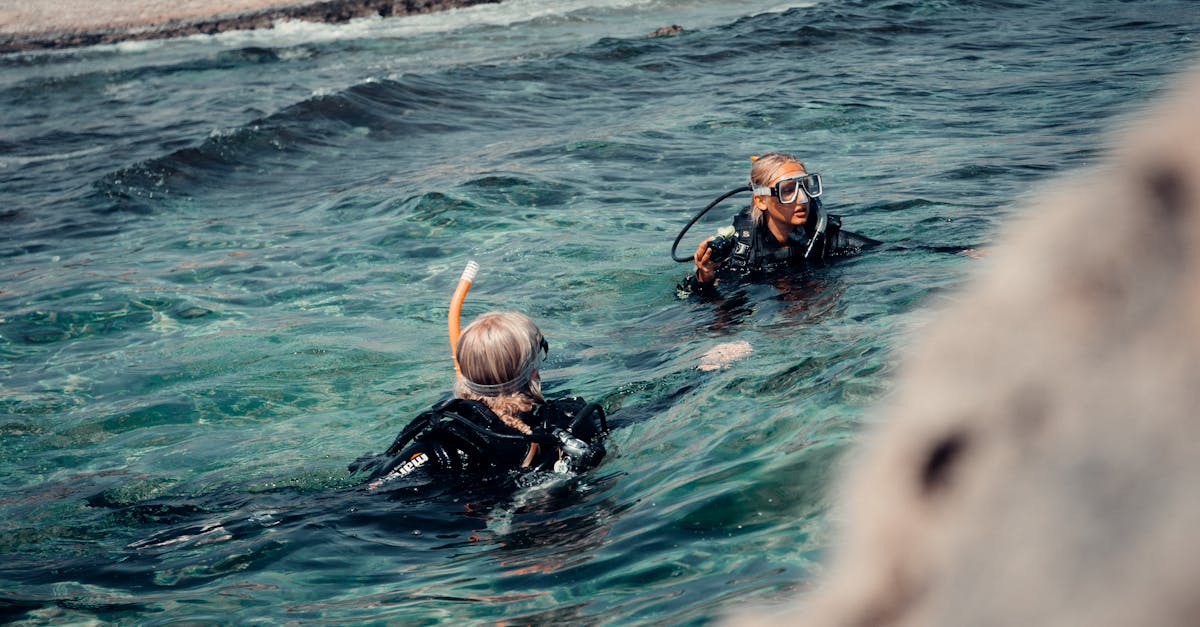
Barbados scuba diving offers world-class reefs and shipwrecks for every skill level. The island sits in the Lesser Antilles with calm, protected waters on the west coast. Divers find abundant marine life and excellent visibility year-round. Local operators run daily dives to popular sites. The island welcomes beginners and experienced divers equally.
Located at coordinates 13.1939, -59.5432, Barbados covers 430 square kilometers. The population of 281,000 people speaks English and Bajan Creole. Most visitors arrive at Grantley Adams International Airport. The Barbadian dollar (BBD) serves as the currency. English speakers find communication easy throughout the island.
Best Dive Sites in Barbados

Carlisle Bay contains the most famous dive sites on the island. This bay holds four shipwrecks suitable for exploration. The SS Stavronikita rests at 40 meters depth. This Greek freighter sank in 1978. Divers explore the cargo hold and bridge. Strong currents require advanced certification.
The Needham's Point reef system offers excellent shallow diving. This site reaches only 12 meters at the deepest point. Beginning divers enjoy exploring the coral formations here. Sea turtles frequently visit this area. The visibility exceeds 30 meters on clear days.
Bathsheba on the east coast provides dramatic deep-water dives. This site features underwater cliffs and strong currents. Only experienced divers should attempt Bathsheba dives. Pelagic fish and sharks patrol these waters. The reward includes encounters with large ocean creatures.
The Pelican Island dive site combines shallow reefs with deeper drop-offs. This location works well for divers of mixed abilities. Coral gardens surround the main reef structure. Lobsters and octopuses hide in crevices. The site receives protection as a marine reserve.
Bridgetown Wreck lies in Carlisle Bay near downtown. This vessel sank deliberately to create an artificial reef. Depth ranges from 18 to 25 meters. Colorful fish schools surround the structure. Photographers find excellent macro subjects here.
PRO TIP: Book dive sites in advance, especially during peak season from December through May. Most operators require reservations 24 hours ahead. Morning dives offer better visibility than afternoon dives.
Scuba Diving for Beginners in Barbados
Barbados welcomes new divers with perfect training conditions. The west coast provides calm, protected waters. Visibility remains excellent throughout the year. Water temperature stays warm at 27.5°C average. Beginners complete certification courses easily here.
Start with confined water training in pools or sheltered bays. Most operators offer pool sessions before open water dives. Instructors teach safety skills and equipment use. You learn to equalize pressure in your ears. Practice buoyancy control in shallow water first.
Shallow reef dives work perfectly for certification training. Needham's Point Reef reaches only 12 meters maximum depth. The reef slope allows gradual depth increases. You can return to the surface quickly if needed. Fish life keeps you entertained while learning.
Popular beginner sites include Dottin's Reef and Paradise Reef. Both sites feature gentle slopes and minimal current. Maximum depths stay between 12 and 18 meters. You discover colorful fish and coral formations. These sites build confidence for future dives.
Take the PADI Open Water Certification course over three days. Most operators in Bridgetown offer this course. Instructors provide all necessary equipment rentals. You complete written exams and practical skills tests. Upon completion, you receive your diving certification card.
Before your first dive, learn basic equipment assembly. Understand how regulators deliver air from tanks. Know how to equalize pressure in your mask and ears. Practice hand signals for basic communication underwater. Listen carefully to your instructor's briefing.
Bring a light sweater or rash guard if you feel cold easily. Water temperature feels comfortable for most divers. Sunscreen protects your skin during surface intervals. Bring a towel and change of clothes. Avoid eating heavy meals two hours before diving.
PRO TIP: Schedule training dives in the morning when visibility peaks and weather remains calmest. Eat a light breakfast before diving but avoid heavy meals. Stay hydrated throughout the day, but limit caffeine and alcohol.
Snorkeling in Barbados

Snorkeling offers easier ocean exploration without certification requirements. You see marine life using just a mask and fins. Many snorkel sites coincide with beginner dive locations. The west coast beaches provide excellent snorkeling access.
Carlisle Bay's shallow reefs work perfectly for snorkelers. The water clarity allows viewing down to 20 meters. You float on the surface and observe below. Colorful fish swim very close to snorkelers. Sea turtles occasionally visit the shallow reefs.
Bathsheba Beach on the east coast offers dramatic snorkeling. Rocky outcrops create interesting underwater scenery. The water can turn rough here during winter months. Visit during calm conditions only. Local boat operators guide snorkel tours from this beach.
Enterprise Beach provides calm waters and sandy entry points. This northern beach rarely experiences strong currents. Snorkeling extends from the beach without boat rides. You spot parrotfish feeding on coral. Sergeant major fish follow snorkelers looking for food.
Rent snorkel gear from beach shacks throughout the island. Most rentals cost affordable rates daily. Bring your own equipment if you prefer familiar gear. Apply sunscreen before entering the water. Reef-safe sunscreen protects coral ecosystems.
Dive Schools and Operators
Bridgetown hosts several established dive operators. These shops offer daily dive trips to popular sites. They rent equipment and provide certified instructors. Most operators have been in business for many years. Customer reviews highlight their safety records and friendliness.
Look for operators displaying official certifications from PADI or SSI. These organizations set diving safety standards worldwide. Certified instructors complete extensive training programs. They undergo regular continuing education courses. Reputable operators maintain high safety standards.
Most dive shops offer package deals for multiple dives. You save money booking three or more dives together. Some operators offer discounts for bringing your own equipment. Ask about group rates if diving with friends. Night dives command premium prices due to equipment needs.
Operators typically include tanks, weights, and basic equipment rentals. You may need to rent a wetsuit separately in winter. BCD (buoyancy control device) rentals are usually included. Check what the package covers before booking. Ask about additional equipment rental costs.
Schedule dive trips in the morning for best conditions. Boats depart between 8 and 9 AM typically. You return by early afternoon for lunch. Afternoon dives happen but offer less visibility. Night dives depart at sunset and last about one hour.
Bring dive certification cards for all participants. Operators verify your experience level before approving dives. Beginners cannot attempt advanced sites like Bathsheba. You must match your certification to the dive site difficulty. Always be honest about your experience level.
Most operators accept walk-in divers but recommend advance booking. Peak season (December through May) fills up quickly. Reserve spots at least 24 hours in advance. Some operators offer same-day bookings if space allows. Call ahead to confirm availability.
PRO TIP: Ask operators about their cancellation policies before booking. Bad weather occasionally forces dive cancellations. Most operators offer rescheduling or refunds for weather delays. Check if your operator provides boat insurance or accident coverage.
What You Will See Underwater

Barbados waters host diverse marine ecosystems. Coral reefs dominate the western coast sites. These reefs support thousands of fish species. Sea turtles graze on seagrass beds regularly. Nurse sharks rest on sandy bottoms during daytime.
Brain coral colonies form massive underwater structures. These corals grow only millimeters per year. Some colonies are over 500 years old. They provide homes for small fish and invertebrates. Never touch or step on coral during dives.
Queen angelfish display brilliant blue and yellow coloring. Parrotfish munch on coral creating sand sounds. You hear their crunching noises while underwater. Sergeant major fish follow divers hoping for food. Groupers hide in coral crevices watching for prey.
Spotted eagle rays glide gracefully over sandy areas. These gentle giants measure up to two meters wide. They hunt for mollusks and crustaceans on the bottom. Rays rarely approach divers aggressively. Maintain distance and avoid sudden movements.
Sea urchins cluster on reef slopes in large numbers. Purple and black varieties common throughout Barbados. Their spines protect them from most predators. Avoid contact as spines cause painful wounds. Some divers accidentally kneel on urchins during entry.
Octopuses hide in reef crevices during daytime hours. They change colors to match their surroundings perfectly. At night, octopuses hunt along the reef edges. Spotting an octopus feels like winning the underwater lottery. Never touch or harass these intelligent creatures.
Sponges grow in variety of shapes and sizes. Barrel sponges stand taller than humans. Tube sponges create colorful underwater gardens. Brain sponges resemble wrinkled human brains. They filter nutrients from passing water continuously.
Best Time To Dive in Barbados
The dry season runs from December through May. This period offers the best diving conditions annually. Visibility reaches 30 meters or more on clear days. Seas remain calm with minimal currents. Temperatures stay constant around 27.5°C throughout.
December through February represents peak season for tourists. Dive shops book up quickly during these months. Reserve your dives weeks in advance if possible. Expect crowds at popular sites during this period. Prices may be slightly higher during peak season.
March, April, and May provide excellent diving with fewer crowds. Water temperatures remain warm and comfortable. Visibility stays excellent throughout these months. Early morning dives offer the calmest conditions. Afternoon seas sometimes develop slight chop in May.
The rainy season runs June through November. Hurricanes can occur from August through October. Tropical storms occasionally affect diving operations. Water visibility decreases during heavy rainfall. Operators may cancel dives for safety reasons.
June and July offer decent diving despite occasional showers. Brief afternoon rain passes quickly most days. Currents remain manageable during these months. Fewer tourists means less crowded dive sites. Accommodate shorter notice cancellations if needed.
August through October require careful planning. Hurricane season peaks during these months. The Caribbean occasionally experiences severe tropical systems. Most operators reduce dive schedules during this period. Travel insurance becomes especially important now.
November marks the transition to dry season. Weather becomes more stable and predictable. Rain decreases as the month progresses. Seas begin calming from summer chop. This month offers good value without peak season prices.
Frequently Asked Questions

Do I Need a Diving Certification To Dive in Barbados?
Yes, you need valid diving certification from an organization like PADI or SSI. Operators verify your certification card before allowing dives. If uncertified, you can obtain certification through a three-day course. Most dive operators offer certification training at reasonable rates. Beginners complete training in pools before open water dives at actual sites.
What Is the Water Temperature in Barbados for Scuba Diving?
The average water temperature in Barbados is 27.5°C (approximately 82°F). This warm temperature remains consistent throughout the year. Most divers wear light wetsuits for thermal protection and sun exposure. A 3mm wetsuit provides comfort for extended dives. Cold-sensitive divers may prefer thicker wetsuits even in warm water.
How Much Does Scuba Diving Cost in Barbados?
Dive shop pricing varies based on location and services provided. Individual dive costs depend on your equipment needs and site selection. Multi-dive packages offer better rates than single dives. Certification courses cost more than recreational dives. Contact local operators directly for current pricing as rates change seasonally.
Is Barbados Scuba Diving Safe for Beginners?
Yes, Barbados offers excellent beginner diving conditions with calm protected waters. The west coast features shallow, gentle reefs ideal for training. Professional instructors maintain high safety standards and experience. Water clarity allows easy visibility for learning. Beginners successfully complete certifications here regularly without complications.
What Marine Animals Might I Encounter While Diving in Barbados?
You will see colorful fish like angelfish, parrotfish, and groupers. Sea turtles visit shallow reefs frequently during daytime hours. Rays glide elegantly over sandy bottoms searching for food. Nurse sharks rest harmlessly on the sea floor. Octopuses hide in coral crevices and hunt at night. Avoid touching all marine life to protect reef ecosystems and your safety.