allisles.com

Barbados

Barbados Best Time To Visit

The Best Time To Visit Barbados: Your Complete Weather and Travel Guide

Weather, seasons and when to book in Barbados

Quick Facts

  • Visa Required: No (visa free for most nationalities)
  • Currency: Barbadian Dollar (BBD)
  • Language: English, Bajan Creole
  • Best Months: December, January, February, March, April, May
  • Average Temperature: 27.5°C (81.5°F)
  • Nearest Airport: Grantley Adams International Airport (BGI)
  • Timezone: America/Barbados

Planning your Barbados best time to visit requires understanding the island's weather patterns throughout the year. Barbados sits in the Lesser Antilles at coordinates 13.1939, -59.5432. The island covers just 430 square kilometers but hosts a population of 281,000 people. Most visitors arrive between December and May for excellent conditions. The dry season delivers reliable sunshine and calm seas ideal for water activities. Understanding when to travel ensures you get the most from this Caribbean destination.

Barbados Weather by Month

Best forAll travelers planning ahead

Barbados experiences warm weather year-round with minimal seasonal variation. The island stays tropical with consistent temperatures averaging 27.5°C throughout most months. December through May represents the dry season with the least rainfall. June through November brings higher humidity and increased rain chances. The Christmas to New Year period sees the highest visitor numbers. Book accommodations well in advance during these peak weeks to secure your preferred lodging.

December to February: These months offer the best weather conditions on the island. Temperatures hover around 26°C with low humidity levels. Rainfall remains minimal, and trade winds keep the air fresh. Hotels and beaches fill quickly during the holiday season. Plan your trip early if visiting between Christmas and New Year. The North American winter break brings families and snowbirds seeking warm escapes. You will find the island bustling with activity and special holiday events.

March to May: Spring months bring warm, dry conditions perfect for beach time. Temperatures gradually increase toward summer levels around 28°C. Trade winds continue to provide comfortable weather. These months offer excellent value as peak season ends. Fewer crowds mean easier beach access and restaurant reservations. May marks the transition toward hurricane season but remains generally dry. Water temperatures reach pleasant swimming conditions above 26°C.

June to August: Summer arrives with higher temperatures and increased humidity levels. Rainfall increases significantly during these months. Hurricane season officially begins in June. Tourist numbers drop considerably, reducing prices and crowds. Some attractions may have reduced hours or limited services. The rainy season brings afternoon showers rather than all-day rain. Locals continue their normal activities and enjoy the quieter atmosphere.

September to November: These months see the highest rainfall and lowest visitor numbers. Temperatures remain warm around 28°C but humidity increases substantially. Hurricane season peaks in September and October. Many travelers avoid this period due to weather concerns. Hotels offer significant discounts during this time. However, some travelers take calculated risks for budget accommodations and empty beaches. Check weather forecasts carefully before booking this period.

Peak Season in Barbados
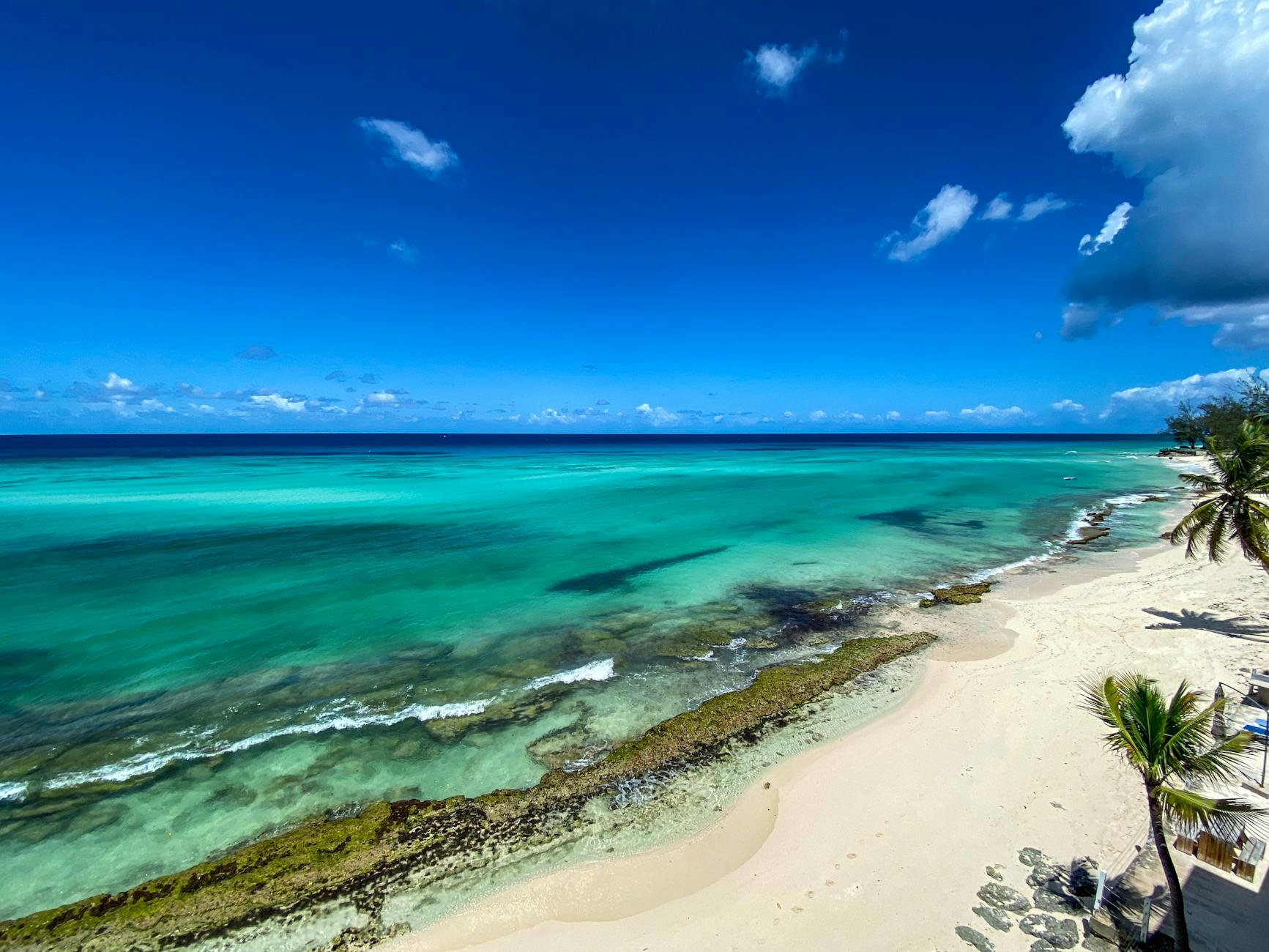
Peak Season in Barbados in Barbados
Peak Season in Barbados
Best forFamiliescouplesand social travelers

Peak season runs from December through April when weather conditions reach their absolute best. Barbados best time to visit for most travelers falls squarely within these months. Expect warm days with minimal rain and comfortable humidity levels. The entire island experiences maximum energy during peak season. Beaches fill with visitors, restaurants operate at full capacity, and prices reach their highest levels. Tourist attractions extend their operating hours to accommodate the crowds. Cultural events and festivals happen frequently throughout these months.

December brings holiday celebrations and New Year festivities throughout Barbados. Visitors from North America and Europe flee winter weather for tropical warmth. Accommodation prices peak during the Christmas and New Year period. The island's calendar fills with special events, concerts, and festive dining experiences. January continues the busy season with post-holiday travelers still arriving. February maintains strong visitor numbers as families enjoy Presidents' Day weekends. March and April see slightly reduced crowds but still qualify as peak season.

Peak season offers significant advantages for certain travelers. Water conditions reach their calmest, making beach activities ideal. Scuba diving conditions improve with excellent visibility. Hotels maintain full staffing and operate all facilities. Tour operators schedule regular departures for group activities. Restaurant reservations require planning, but you access the full range of dining options. Grantley Adams International Airport handles maximum flights with numerous connections.

However, peak season comes with notable disadvantages. Accommodation rates double or triple compared to shoulder season. Popular beaches become crowded, especially during mid-day hours. Restaurant tables require advance reservations weeks in advance. Some activities book up days ahead. Traffic congestion increases on main roads. Popular attractions like Harrison's Cave experience substantial wait times. Consider visiting during shoulder season if you prefer fewer crowds and lower prices.

PRO TIP: Book accommodations and car rentals 8 to 12 weeks ahead if visiting during peak season. Popular beachfront properties fill completely by October for December arrivals. Consider staying in inland areas near Bridgetown and enjoying beaches via short drives.

Shoulder Season: Best Value

Best forBudget travelerssolo visitorsand flexible planners

Shoulder season includes May and November when weather remains mostly good but crowds thin significantly. May represents the transition between peak and rainy season. Temperatures reach 28°C with occasional afternoon showers. Hurricane season technically begins in June, but May rarely experiences significant storms. Hotel rates drop 20 to 40 percent compared to peak season. Restaurant tables open up for walk-in diners without reservations. You still experience pleasant beach weather with manageable crowds.

November marks the final month before peak season crowds arrive. Weather becomes less predictable as hurricane season winds down. Some rain occurs, but many days remain sunny and warm. Hotels offer excellent rates to attract visitors returning before Christmas. The island feels relaxed without the frantic holiday season energy. November provides the best combination of affordability and decent weather outside peak months. Local restaurants return to normal operations with shorter wait times.

Shoulder season delivers tremendous value for flexible travelers. Accommodation prices typically run 30 to 50 percent lower than peak season. Dining experiences feel less rushed and more authentic. Tour operators offer discounts to fill their schedules. Beach access improves with fewer daily visitors. You can secure rental cars at better rates. Flights often cost less as airlines adjust pricing for lower demand. May works particularly well for families avoiding school break crowds.

The main challenge during shoulder season involves weather unpredictability. May showers can interrupt beach plans, though rain usually falls in brief afternoon bursts. November occasionally experiences tropical storm activity from hurricane season remnants. Pack versatile clothing that works for both sun and rain. Check weather forecasts regularly leading up to your trip. Most travelers find the occasional rain a minor inconvenience compared to peak season crowds and prices.

Rainy Season in Barbados

Rainy Season in Barbados in Barbados
Rainy Season in Barbados
Best forBudget conscious travelers and those unconcerned with perfect weather

The rainy season spans June through November with July through October seeing the heaviest rainfall. Hurricane season officially runs June 1 through November 30. Barbados sits at the southern edge of the hurricane belt, reducing direct storm impacts compared to northern Caribbean islands. Rainfall during this period comes primarily as afternoon showers rather than all-day deluges. Morning hours typically remain clear and sunny. Temperatures hover around 28 to 29°C with higher humidity throughout the season.

June remains relatively dry compared to later months. Rainfall increases noticeably from July onward. August and September see peak rainfall amounts and the highest humidity levels. October continues with significant moisture and storm potential. November begins drying out as the season concludes. However, some years see minimal rainfall while others experience wetter conditions than average. Weather patterns vary considerably from year to year during hurricane season.

Visiting during rainy season offers exceptional value. Hotel rates drop dramatically, sometimes reaching 50 to 70 percent off peak season prices. Restaurants and attractions offer discounts to maintain business during slower periods. Beaches feel practically empty with genuine solitude. You meet far fewer tourists, making interactions with locals more meaningful. Local restaurants focus on serving residents rather than tourists, often providing more authentic experiences. Travel insurance becomes increasingly important during this period to protect against trip interruptions.

The rainy season carries real risks and inconveniences. Hurricane season brings potential for severe storms, though direct hits remain statistically uncommon. Afternoon rain can disrupt beach plans regularly. Some attractions reduce operating hours or close entirely. Ferry services and boat tours may cancel due to rough seas. Air quality sometimes decreases from moisture and occasional tropical systems. Travel insurance costs increase. Some travelers successfully visit during rainy season, but you must accept weather risks.

PRO TIP: If visiting June through November, purchase comprehensive travel insurance covering weather-related cancellations. Book flexible accommodation policies allowing free cancellation. Keep your schedule flexible and plan indoor activities as backup options for rainy days.

Best Time To Visit Barbados for Families

Best forFamilies with children of all ages

Families should prioritize December through April for optimal Barbados best time to visit conditions. During these months, weather remains predictable with reliable sunshine and calm seas. Water temperatures stay warm and comfortable above 26°C. School holidays align with peak season, particularly December and April. Children can spend extended time in the ocean with minimal risk from strong currents or rough waters. Many family resorts operate special kids' clubs and activities during peak months.

December offers perfect family timing around winter school breaks. Most North American schools close mid-December through early January. Children enjoy warm beach weather after cold, dark winters. Family-friendly resorts operate at full capacity with children's programs and entertainment. The festive holiday atmosphere appeals to children with special celebrations and decorations. However, accommodation costs reach their absolute highest during this period. Beaches become crowded, requiring early arrival for good spots.

January and February provide excellent family months with slightly lower crowds than December. School schedules continue with Presidents' Day weekend in February offering another break. Weather remains absolutely ideal. Grantley Adams International Airport handles numerous family-oriented flights. Beaches still fill with visitors but less intensely than December. February half-term breaks in UK schools bring additional family visitors. Water conditions remain calm and swimming safe for young children.

March through May work exceptionally well for families with flexible school schedules. Spring break periods in March bring families seeking warm weather escapes. Weather continues excellent with minimal rain. Prices drop noticeably compared to earlier peak season. Beaches thin out considerably, providing more relaxed family experiences. May marks the end of the standard tourist season as summer vacation approaches. Local schools close for summer around May, adding some crowds but maintaining reasonable conditions.

Family-friendly activities thrive during these months. Bathsheba Beach on the east coast offers beautiful scenery and moderate waves suitable for older children. Carlisle Bay provides calm, sheltered waters ideal for younger swimmers. Harrison's Cave, located in the rainforest interior, offers waterfall experiences and swimming pools. Interactive attractions like the Animal Flower Cave provide memorable experiences for children. Local restaurants cater to families with child-friendly menus and accommodating service.

Prepare families appropriately for tropical beach conditions. Pack reef-safe sunscreen to protect children's skin and marine ecosystems. Bring lightweight, quick-drying clothing for warm days. Plan beach visits during morning hours before afternoon heat peaks. Stay hydrated with plenty of fresh water. Pack insect repellent for evening outdoor activities. Arrange adequate medical travel insurance covering any unexpected health issues. Book accommodations close to beaches and activities to minimize driving time with children.

Best Time To Visit Barbados for Diving

Best Time To Visit Barbados for Diving in Barbados
Best Time To Visit Barbados for Diving
Best forScuba diverssnorkelersand water sports enthusiasts

Scuba diving enthusiasts should visit between December and April for ideal conditions. Barbados offers exceptional diving opportunities year-round, but peak conditions occur during peak season. Water visibility reaches 30 meters or more during these months. Trade winds create calm ocean surfaces, making boat diving safer and more comfortable. Water temperatures stay warm around 26°C without requiring thick wetsuits. The dry season's lower rainfall means clearer water throughout the island's dive sites.

December through February deliver the absolute best diving conditions. Visibility exceeds 25 meters consistently at most sites. Calm seas allow safe access to deeper dive sites. Marine life activity peaks as seasonal migration patterns bring diverse species. Sea turtles, reef sharks, and manta rays appear more frequently during these months. Barracuda schools congregate in certain areas. Gorgonians and hard corals display vibrant colors in excellent light conditions. Many divers rate these months as the year's premier diving season.

March through May maintain excellent diving conditions as peak season continues. Visibility remains strong with occasional decreases during heavy rainfall. Water temperature stays comfortable above 26°C. Tourist demand means more frequent dive boat departures and flexible scheduling. Dive operators maintain full staffing and equipment availability. Certification courses run daily at most dive shops. Night diving opportunities occur regularly with calm conditions. These months offer the best combination of excellent diving and fewer crowds than winter months.

Notable dive sites include the Stavronikita shipwreck, a Greek freighter resting at 40 meters depth. The Carlisle Bay wreck fleet offers multiple accessible shipwrecks in shallow water ideal for training dives. Bell Buoy Reef provides vibrant coral formations and abundant tropical fish. Needham's Point features dramatic coral walls and pelagic species. The Bathsheba Reef on the east coast offers strong currents but exceptional biodiversity. Most dive sites sit within 30 minutes boat ride from shore.

Summer and early fall diving (June through November) remains possible but presents challenges. Visibility decreases to 15 to 20 meters as rainfall increases water turbidity. Ocean swells from Atlantic hurricanes make boat diving less comfortable. Afternoon rain squalls interrupt beach time and boat schedules. Water remains warm but heavy weather limits access to certain exposed sites. Some dive operators reduce schedules during these months. Fewer tourists mean less crowded dive boats but fewer scheduled departures overall.

Prepare properly for Barbados diving experiences. Bring current diving certification documentation. Arrange travel insurance covering diving activities specifically. Pack a personal dive computer if you own one. Consider purchasing additional dive gear insurance for expensive equipment. Book dive trips through established operators with safety records. Plan at least two dives per day if diving multiple days. Allow surface interval time for rest and dehydration recovery between dives.

PRO TIP: December through February book dive trips weeks ahead as dive operators fill quickly. Consider visiting in May for excellent diving conditions with fewer divers competing for boat spots. Night diving offers spectacular experiences with nocturnal marine life activity most visible during calm season months.

Frequently Asked Questions

What Is the Absolute Best Month To Visit Barbados?

February and March offer the ideal combination of excellent weather, manageable crowds compared to December, and reasonable accommodation prices. These months fall within Barbados best time to visit window with reliable dry conditions and warm temperatures around 27°C. Water visibility for diving peaks during this period. Hotels still maintain full operations. Beaches remain accessible without extreme overcrowding. February avoids the peak Christmas rush while March precedes the summer season. Both months avoid hurricane season concerns entirely.

Is Barbados Safe To Visit During Hurricane Season?

Barbados sits at the southern edge of the hurricane belt, making direct tropical storm impacts relatively uncommon compared to islands further north. However, June through November still carries increased storm risk. Travel insurance specifically covering weather becomes important during this period. Monitor weather forecasts regularly if visiting during hurricane season. Book flexible accommodations allowing cancellation without penalties. Most visitors successfully travel during shoulder months like May and November with acceptable risk levels and better prices than peak season.

Should I Visit Barbados in May or November for the Best Value?

May offers better overall conditions with lower rainfall probability and more sunshine days. November marks hurricane season's tail end with higher unpredictability but similarly low prices. May works better for families and water activities. November suits budget travelers accepting weather risks. Both months provide 30 to 50 percent savings compared to peak season prices. Hotel availability increases substantially outside peak season. Restaurants and attractions offer discounts readily. Choose May for confidence in good weather or November for maximum budget savings on accommodation.

What Should I Pack for Visiting Barbados During the Rainy Season?

Bring lightweight, quick-drying clothing handling both sun and rain. Pack a compact travel umbrella or lightweight rain jacket. Include reef-safe sunscreen despite increased cloud cover. Bring insect repellent for mosquitoes that increase during humid months. Pack sandals that dry quickly and comfortable walking shoes. Include medications for common travel illnesses. Bring adequate travel insurance documentation. Consider waterproof bags for electronics and valuables. Plan flexible activities with indoor options available. Bring extra cash as some attractions may have reduced hours or limited services.

Can I Swim in Barbados During Peak Season Safely?

Swimming conditions reach their absolute safest during peak season months from December through April. Water temperatures stay warm above 26°C year-round but peak season offers calmest seas and minimal currents. Trade winds create protected cove conditions. Lifeguards staff popular beaches during peak season. Water visibility exceeds 25 meters, allowing clear sight of the sea floor. Coral reefs and marine life remain visible. Beaches like Carlisle Bay provide extremely calm, sheltered waters ideal for swimming. Always check current conditions and local warnings before entering the water regardless of season.