Last updated:
Barbados markets offer authentic shopping experiences you won't forget. From vibrant produce stalls to handcrafted souvenirs, Barbados markets showcase island culture. Local vendors sell everything from tropical fruits to traditional crafts. You can explore open-air markets in Bridgetown or smaller neighborhood shops. Each market tells a story about Barbadian life and heritage. Shopping in these spaces connects you directly to local communities. You'll find honest prices and genuine products made by island residents.
Best Markets in Barbados
Bridgetown Public Market stands as the island's most famous marketplace. This indoor market buzzes with energy every morning. Vendors arrange colorful produce in neat rows. You'll see mangoes, dasheen, christophenes, and fresh herbs. The market opens early, and locals shop before work. Visit around 8 AM for the best selection. The atmosphere feels genuine and welcoming to visitors. You can navigate narrow aisles and chat with friendly vendors.
Oistin's Fish Fry happens every Friday, Saturday, and Sunday. This outdoor market near the fishing village offers fresh seafood. Vendors grill fish right in front of you. You can watch your meal cook while you browse crafts. Local families gather here for weekend food and fun. The energy builds in evening hours. Food stalls sell grilled fish, lobster, and shrimp. You'll find sides like macaroni pie and cou-cou nearby.
Cheapside Market in Bridgetown runs daily and offers clothing and general goods. This covered market attracts both locals and tourists. You'll find fabrics, shoes, and everyday items here. Vendors negotiate prices, so haggling is common. The market reflects real Barbadian shopping culture. Store hours vary by vendor, but most operate morning through afternoon. The market sits close to other Bridgetown attractions.
Holetown Market operates on Saturday mornings near the historic St. James Church. This smaller market feels more relaxed than Bridgetown options. Local farmers sell fresh produce and plants. You'll find homemade preserves and baked goods. The market atmosphere is quieter and more personal. Visit early morning for freshest selections. The beachside location makes it convenient for west coast visitors.
PRO TIP: Arrive at Barbados markets before 9 AM for the best produce selection and authentic local atmosphere. Many vendors sell out by mid-morning, especially on weekends.
Local Food Markets in Barbados

Bridgetown Public Market specializes in fresh local produce. The market operates Monday through Saturday. Sunday hours vary by vendor. You'll find tropical fruits including mangoes, papayas, and avocados. Root vegetables like sweet potato and cassava fill vendor stalls. Fresh herbs like cilantro, culantro, and thyme grow abundantly. Fish vendors sell fresh catches daily. Meat vendors offer local cuts prepared to your specifications.
The market's indoor location protects shoppers from sun and rain. Vendors speak English and Bajan Creole. Most understand tourist requests and can explain unfamiliar items. Prices are negotiable for large purchases. You can ask vendors to recommend recipes or preparation methods. Many tourists ask about cooking techniques for local produce. Vendors enjoy sharing traditional Barbadian cooking knowledge.
Oistins Fish Fry Market combines shopping and dining. Friday through Sunday, the market fills with activity. Fresh fish vendors operate in the morning hours. By evening, restaurants open for dining. The market sells whole fish and filleted portions. Seafood options include mahi-mahi, flying fish, red snapper, and kingfish. You can purchase fresh catch and cook it at your accommodation.
Saturday morning markets operate throughout the island. The Bridgetown Savannah Market happens near the historic savannah green space. Vendors sell fresh produce, plants, and flowers. This market attracts both tourists and locals. The setting feels less crowded than Bridgetown Public Market. Opening hours are typically 7 AM to noon on Saturdays.
PRO TIP: Bring reusable shopping bags or ask vendors for bags. Many Barbadian markets have reduced plastic bag use. Cash is preferred at most market stalls, though some accept cards.
Craft and Souvenir Shopping
Bridgetown's downtown shopping district offers numerous craft shops. The Garrison Historic Area includes artisan boutiques. Local craftspeople create masks, pottery, and wooden items. You'll find handmade jewelry using shells and natural materials. These shops sell genuine articles made by island artisans. Prices reflect the craftsmanship involved. Most shops accept credit cards and provide shipping services.
Art galleries throughout Bridgetown display works by local artists. The Gallery of Caribbean Art features paintings and sculptures. Artists create pieces inspired by island life and natural beauty. You can meet artists during gallery hours. Many pieces tell stories about Barbadian heritage. Gallery staff explain the artwork's cultural significance. Prices range widely depending on artist reputation and piece size.
Chattel House shops in various locations sell handcrafted items. These traditional colorful houses have been converted to retail spaces. Vendors operate small family businesses from these charming structures. You'll find textiles, wood carvings, and decorative items. The chattel house experience feels authentically Barbadian. Photography opportunities are abundant in these unique settings.
Beach vendors sell crafts directly to tourists near popular beaches. Carlisle Bay offers vendors selling local artisan goods. Crane Beach vendors sell shell jewelry and handmade items. While haggling is expected with beach vendors, prices are often higher. Quality varies more with beach vendors than established shops. Purchasing from beach vendors directly supports local artists.
Duty-free shopping in Bridgetown appeals to some travelers. The Broad Street area has duty-free shops selling electronics and goods. These shops offer tax-free purchasing for cruise ship passengers. Local residents cannot access duty-free shopping. Visitors should carry their passport for duty-free verification.
Where To Buy Local Products

The Barbados Food and Rum Company in Bridgetown sells local products. This shop specializes in rum, spices, and traditional foods. You'll find bottled hot sauces made locally. Cocoa products from Barbadian producers are available. Sea salt harvested from island waters sells here. The shop staff provides recommendations for gifts. Rum selections range from aged premium bottles to affordable everyday brands.
Local supermarkets throughout the island carry Barbadian products. Supermarkets stock locally-made jams, jellies, and preserves. Packaged goods featuring Barbadian recipes are available. These stores cost less than tourist-oriented shops. You'll find everyday ingredients and specialty items together. Prices are clearly marked, with no negotiation needed.
Rum distillery shops at Mount Gay Distillery offer tours and products. The distillery operates in St. Lucy parish. Tours include tastings and historical information. The shop sells exclusive bottles and branded merchandise. Visitors can purchase rum directly from the producer. Gift sets combine multiple rum selections. The distillery also offers cocktails in its visitor facilities.
The Bathsheba Fish Fry in the north operates daily. Fresh fish is sold directly from fishing vessels. Local fishermen operate a cooperative selling their catches. Prices are typically lower than other markets. The location offers beautiful ocean views. This market serves mainly locals, so it feels authentic and unpolished.
Farmers markets in parish towns operate on specific days. St. George parish hosts a market on Saturday mornings. St. Michael parish operates markets mid-week. These smaller markets offer genuine local pricing. You'll meet farmers and producers directly. Transportation may require rental car or taxi.
Shopping Hours and Tips
Bridgetown Public Market opens at 7 AM Monday through Friday. Saturday hours are 7 AM to 2 PM. Most vendors close by early afternoon. Morning visits offer best selection and fewer crowds. The market sits near public transportation hubs. You can reach it easily by minibus from most locations. Street parking is available nearby, though spaces fill quickly.
Oistin's Fish Fry operates Friday, Saturday, and Sunday. Morning hours run approximately 7 AM to 2 PM. Evening hours begin around 5 PM and run until late. Weekends attract more vendors and shoppers. Friday nights offer a strong social atmosphere. Sunday mornings are quieter but still busy. The location has ample parking and is accessible by taxi.
Sunday shopping is limited at most markets. Many vendors observe Sunday as a day of rest. Some markets close completely on Sundays. Plan accordingly if Sunday shopping is necessary. Beach vendors often work Sundays for tourist shoppers. Downtown shops may have reduced Sunday hours. Call ahead if you need specific products on Sundays.
Bring cash for market shopping. Barbadian dollars (BBD) are preferred everywhere. ATMs are available near major markets. Credit cards work at larger shops and supermarkets. Haggling is acceptable at open markets and with street vendors. Established shops have set prices without negotiation. Wear comfortable shoes for extended market browsing. Sun protection is important, even in covered markets.
Learn basic Bajan Creole phrases. "Good morning" and "thank you" in the local language build rapport. Most vendors speak English fluently. Many appreciate visitors who attempt local greetings. Markets can be crowded during peak seasons. Avoid peak times by visiting early morning. Weekday visits are generally quieter than weekends.
PRO TIP: Download currency conversion app before market visits. This helps you understand pricing quickly without constant calculator use. Exchange rates at banks are better than at markets.
What To Buy in Barbados
Barbadian rum makes an excellent souvenir. Mount Gay is the world's oldest rum distillery. The brand has operated since 1703. You'll find aged varieties and flavored options. Rum prices vary from budget-friendly to premium. Bottles make convenient gifts for most travelers. Local rum shops offer better prices than tourist resorts. Duty-free shops have competitive pricing for larger purchases.
Flying fish is Barbados's national dish and a cultural symbol. You can buy dried flying fish as a takeaway snack. Smoked versions are available at markets. These lightweight items pack easily in luggage. Flying fish chips make affordable gift options. The product represents authentic Barbadian food culture. Markets and supermarkets stock multiple brands.
Hot sauce made in Barbados appears in many homes. Local brands like Bajan Seasoning and other producers create unique recipes. Bottles are small enough for luggage. Sauce flavors range from mild to extremely hot. Gift sets combining multiple sauce varieties are available. These products cost less than imported items. Supermarkets and markets stock extensive hot sauce selections.
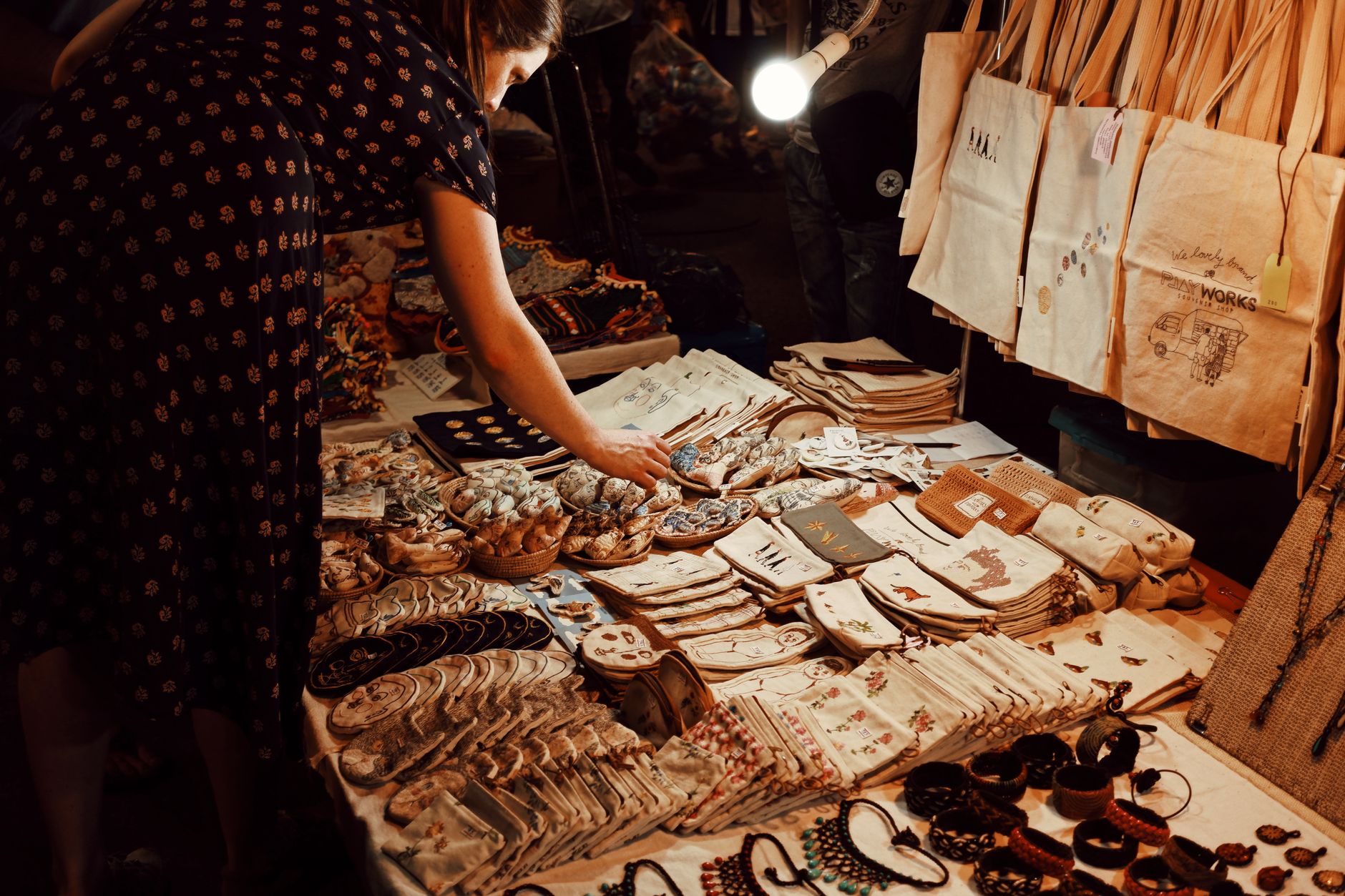
Handwoven baskets and placemats showcase traditional crafts. Local artisans create these items from natural materials. Baskets serve practical purposes in any home. Smaller items fit easily in luggage. Craft markets and galleries sell quality examples. Prices reflect the time invested in creation. Supporting craftspeople contributes to island economy.
Jewelry made from shells and local materials offers unique style. Artisans create necklaces, bracelets, and earrings. Designs often reflect Caribbean themes and natural inspiration. Prices are reasonable compared to imported jewelry. Beachside vendors and craft shops sell these items. You can watch artisans work at some craft locations.
Coconut products including oils and soaps appeal to many travelers. Local producers make beauty and personal care items. Coconut oil is versatile for cooking and skincare. Soaps often use tropical scents like lime and mango. These products are lightweight and pack easily. Many represent organic or natural production methods.
Artwork and paintings by local artists capture island scenery. Artists paint ocean views, market scenes, and local life. Small pieces are affordable and portable. Larger works can be shipped internationally. Artists appreciate visitors who understand their creative work. Gallery staff provide artist background information. Supporting local artists preserves Barbadian culture.
Frequently Asked Questions
Q: What currency do Barbados markets accept?
Barbadian dollars (BBD) are the official currency at all markets. Most market vendors prefer cash payments. ATMs are available near major markets for withdrawals. Exchange rates at banks are better than at markets or resorts. Some larger shops accept credit cards, but small vendors typically do not. You can exchange currency at the airport upon arrival. Traveler's checks are rarely accepted at markets anymore.
Q: Are Barbados markets safe for tourists to visit?
Yes, Barbados markets are generally safe for tourists. Local shoppers and vendors welcome visitors. Stick to crowded areas and main market sections. Avoid displaying expensive jewelry or large amounts of cash. Markets are busiest and safest during morning hours. Go with a companion if you feel uncomfortable alone. Keep valuables secure and watch your belongings. Avoid market visits late at night.
Q: What is the best time to visit Barbados markets?
Early morning hours from 7 AM to 9 AM offer the best experience. Fresh produce selection is fullest before noon. Crowds are smaller in early morning. Weekdays are quieter than weekends. Avoid peak tourist season crowds by visiting mid-week. Late morning is acceptable but offers reduced selection. Afternoon visits provide the fewest products and most crowds. Weather is cooler in early morning hours.
Q: Can I haggle prices at Barbados markets?
Haggling is acceptable and expected at open-air markets. Vendors anticipate negotiation, especially for large purchases. Start by offering slightly less than the asking price. Be respectful and friendly during negotiation. Large multi-item purchases receive better discounts. Established shops and supermarkets have fixed prices. Beach vendors expect negotiation on craft items. Always haggle politely and with genuine interest in purchasing.
Q: Where is the best market for tourists visiting Barbados?
Bridgetown Public Market offers the most comprehensive shopping experience. The market features produce, seafood, and local goods. Indoor location provides weather protection and safety. Central location makes it easy to reach. Oistin's Fish Fry appeals to visitors seeking dining experiences. Smaller Saturday markets offer more authentic, less touristy atmospheres. Holetown Market suits west coast visitors. Choose based on your interests and accommodation location.